
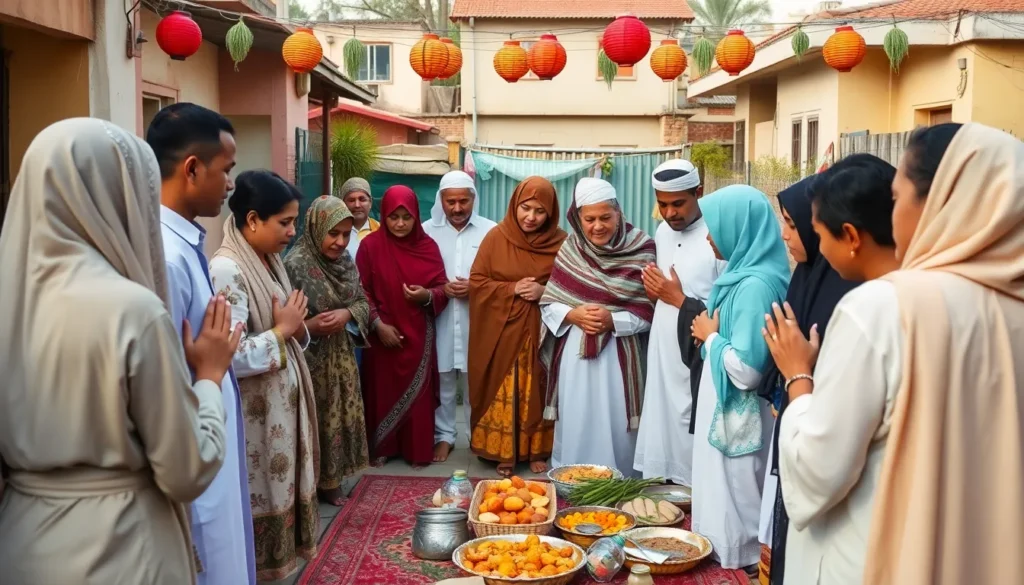
Aïd el-Kébir, also known as Eid al-Adha, holds immense significance in the Islamic calendar. This festival commemorates the willingness of Ibrahim to sacrifice his son as an act of obedience to God. It’s a time for reflection, gratitude, and community, marked by special prayers, feasting, and acts of charity.
In 2025, Aïd el-Kébir is expected to fall on June 28, though the exact date may vary based on lunar sightings. As this joyous occasion approaches, many are eager to prepare for the celebrations, from planning family gatherings to understanding the deeper meanings behind the rituals. Knowing the date well in advance allows for better preparation and participation in this cherished tradition.
Overview of Aïd El-Kébir
Aïd el-Kébir, known also as Eid al-Adha, serves as a major Islamic festival. This celebration marks the culmination of the Hajj pilgrimage and honors the prophetic event when Ibrahim prepared to sacrifice his son as an act of obedience to God. Aïd el-Kébir emphasizes key themes such as reflection, sacrifice, gratitude, and community.
Aïd el-Kébir involves several significant rituals. Special prayers, referred to as Salah, take place in congregational settings. These prayers require participants to express their devotion and connect with their faith. Following the prayers, the ritual of Qurbani occurs, involving the sacrifice of an animal, typically a sheep, goat, or cow. The meat is then distributed among family, friends, and those in need, reinforcing the importance of charity.
Feasting forms another essential aspect of the celebration. Families gather to share traditional meals, often featuring special dishes that highlight cultural heritage. Through these gatherings, individuals strengthen bonds and create meaningful memories.
In 2025, Aïd el-Kébir is anticipated to occur on June 28. However, variations in the date may arise due to lunar sightings, as the Islamic calendar relies on the moon’s cycles. This advance knowledge aids in planning for the festivities, enabling families and communities to engage fully in the rituals associated with this deeply significant occasion.
Significance of Aïd El-Kébir
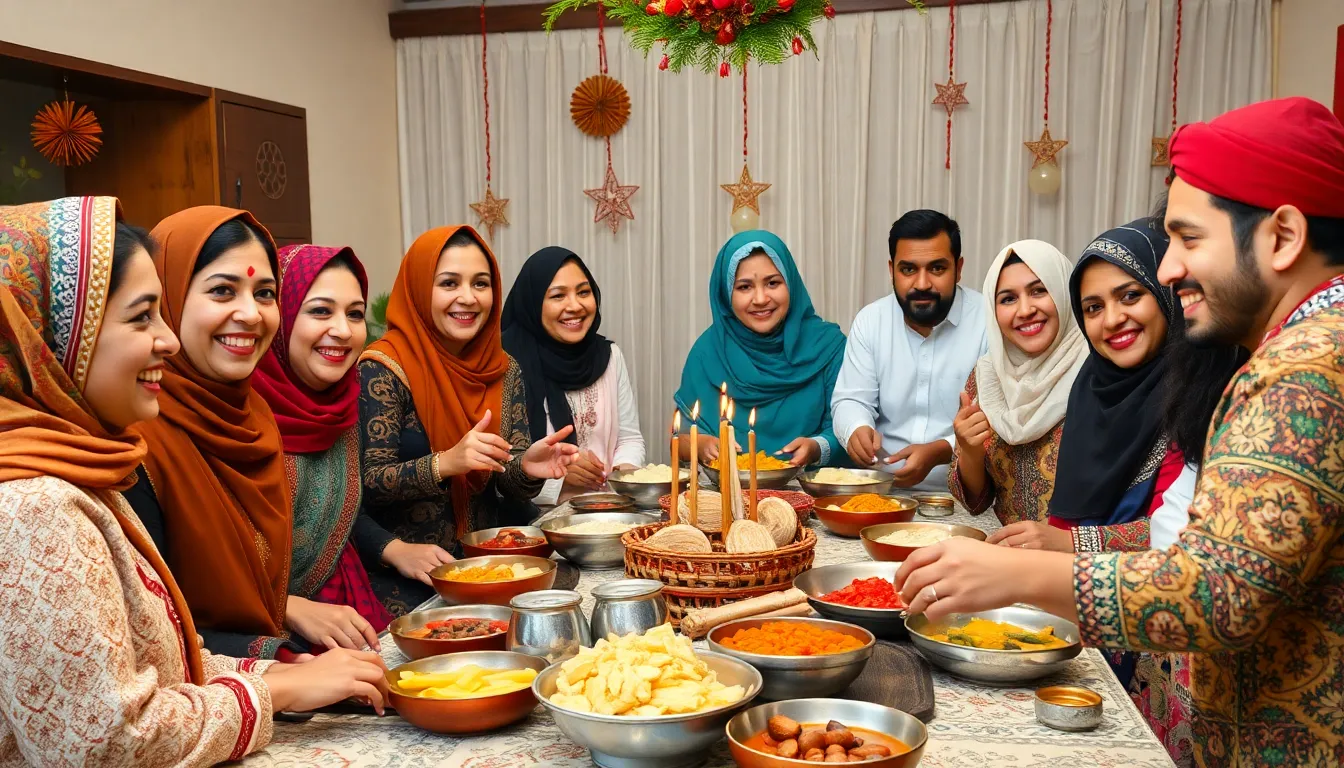
Aïd el-Kébir, also known as Eid al-Adha, holds profound significance in Islam, symbolizing themes of faith, sacrifice, and community. Celebrated annually, it strengthens social bonds and emphasizes humanitarian values.
Religious Importance
Religious observance during Aïd el-Kébir centers around the willingness of Ibrahim to sacrifice his son as an act of obedience to God. This event reflects unwavering faith and commitment to divine command. Muslims participate in special prayers, known as Salah, on this day, offering gratitude and humility. The ritual sacrifice, or Qurbani, includes the slaughter of specific animals, such as sheep or goats, with the meat distributed among family, friends, and those in need. This symbolizes sharing blessings and encourages a spirit of generosity and charity.
Cultural Traditions
Cultural traditions surrounding Aïd el-Kébir vary across regions but generally include communal gatherings and festive meals. Families don new or special attire, signifying respect for the occasion. Preparation and consumption of traditional dishes foster togetherness, with an emphasis on sharing food among loved ones. In many communities, charitable donations play a crucial role, enabling the less fortunate to participate in festivities. These customs reflect the essence of Aïd el-Kébir, integrating spiritual and cultural elements that highlight unity and compassion in society.
Aïd El-Kébir 2025 Date
In 2025, Aïd el-Kébir, or Eid al-Adha, is anticipated to be celebrated on June 28. The date, defined by the Islamic lunar calendar, might vary slightly based on local moon sightings.
Calculation Methodology
Aïd el-Kébir’s date is calculated using the Islamic lunar calendar, which consists of 12 months and is around 10 to 12 days shorter than the Gregorian calendar. The festival falls on the 10th day of Dhu al-Hijjah, the last month of the Islamic year. As the lunar calendar is dependent on moon visibility, communities often rely on local religious authorities to confirm the exact date. This means that while June 28 serves as a guideline, actual observance can differ among regions based on local sightings.
Differences in Observance
Observance of Aïd el-Kébir can vary significantly across different cultures. While communal prayers and the ritual sacrifice of an animal are universal practices, local customs influence additional traditions. In some regions, families may emphasize charitable acts, donating a substantial portion of their meat to those in need, while others focus on communal feasts that highlight regional dishes. Certain cultures may incorporate unique festivities, such as public gatherings or cultural performances, reflecting their heritage. This diversity enriches the celebration, showcasing the festival’s core themes of faith, sacrifice, and community.
Preparations for Aïd El-Kébir
Preparations for Aïd El-Kébir foster community spirit and strengthen family ties. These activities often take place in the weeks leading up to the festival, ensuring meaningful observance of traditions.
Community Events
Community events during Aïd El-Kébir play a vital role in promoting unity and shared experiences. Mosques organize congregational prayers, encouraging attendance from local families. Many neighborhoods host festivals that include cultural performances, food stalls, and educational activities about the significance of the holiday. Charitable initiatives also flourish, with community members gathering supplies to distribute to the less fortunate. These events emphasize the importance of social responsibility and fellowship, creating a sense of belonging among participants.
Family Gatherings
Family gatherings form the heart of Aïd El-Kébir celebrations, nurturing emotional connections and shared memories. Families typically unite for special prayers, followed by communal meals featuring traditional dishes. Many prepare large feasts, often including lamb, which symbolizes the sacrificial aspect of the festival. This time together encourages storytelling and laughter, reinforcing familial bonds. Additionally, exchanging gifts and visiting relatives amplifies the sense of joy and gratitude, highlighting the festival’s core values of love and compassion.
Aïd el-Kébir in 2025 promises to be a significant occasion for Muslims around the world. As families prepare to observe this important festival on June 28, the spirit of community and gratitude will be at the forefront. The rituals of prayer, sacrifice, and communal meals will strengthen bonds and foster a sense of togetherness.
The diversity in celebrations across cultures adds richness to the festival, making it a unique experience for every community. As the date approaches, the anticipation of shared moments, charitable acts, and heartfelt connections will resonate deeply, reminding everyone of the core values that Aïd el-Kébir embodies.


